
Lifestyle | 1 Min Read

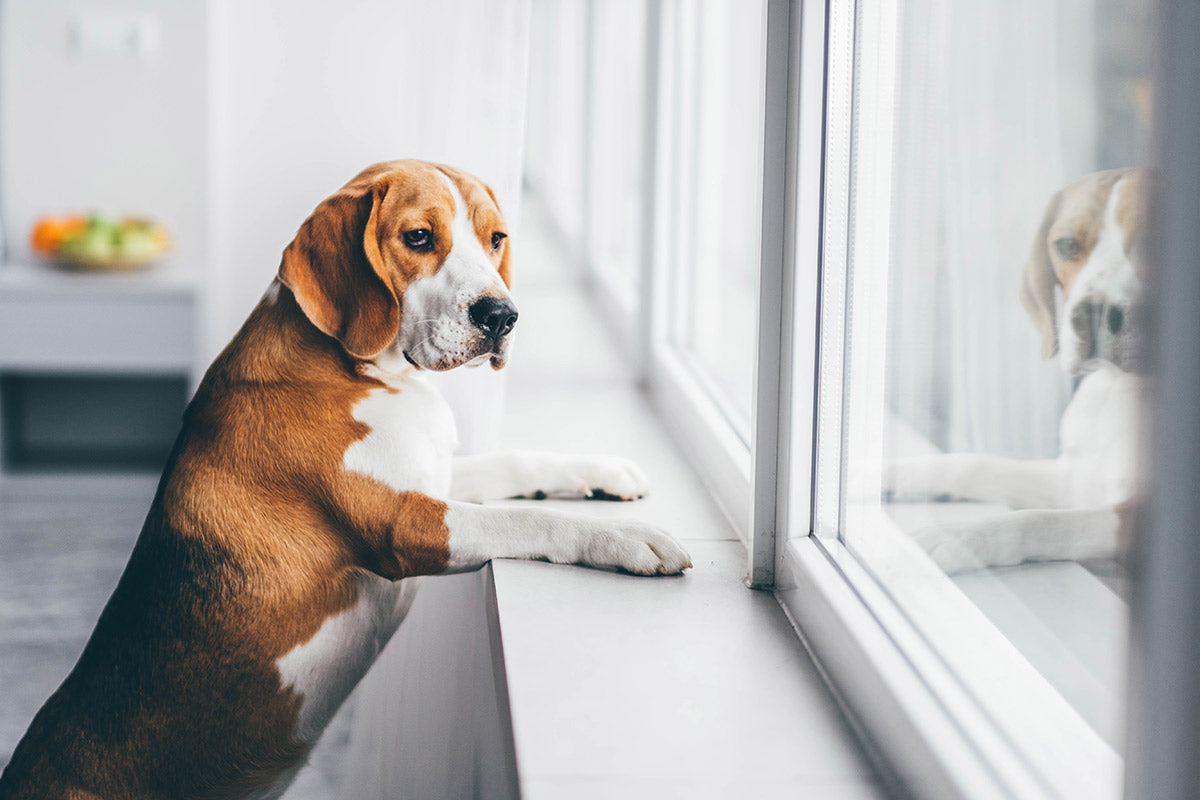
10 tips for when your dog is home alone

With many of us introducing a four legged friend during lockdown, our dog’s can feel overwhelmed with your sudden departure back to the office. Here’s Dr Lisa’s 10 tips to help your dog feel more secure when they’re home alone.

  1. Consider hiring a dog walker or send your dog to doggy-daycare if possible. A dog ‘play date’ with a neighbour or family member’s dog (who gets along with yours) is a great way for the dogs to keep each other company. 

  2. Ensure your dog is safe and secure inside your home to prevent escapes.

  3. Exercise your dog before you leave – this will reduce boredom and many dogs will spend most of their time sleeping after sufficient exercise.

  4. Avoid lengthy and over-enthusiastic goodbyes and greetings – this can help reduce potential separation anxiety. It’s often better to ignore your dog prior to exiting your home. Save the hello cuddle for a few minutes after you have entered the house, when your dog is calmer. Take them out for some exercise once you return.

  5. Feed your dog before you leave. Placing their meal into food-dispensing toys can help keep them occupied.

  6. Leave the television or music device on.

  7. Provide plenty of safe toys to play with.

  8. Using a DAP (dog appeasing pheromone) diffuser or collar can help alleviate stress in some dogs.

  9. Ensure your dog has access to a secure yard or balcony. Alternatively, if this is not possible, provide them with a suitable ‘toilet’ area at home using pee mats or dog toilets.

  10. Provide them with comfortable bedding and an item of your worn clothing to help them feel secure.

5 Min Read

How Often Should You Wash Your Dog? Choosing the Right Shampoo

If you've ever found yourself wondering "how often should I wash my dog?" while your muddy Labrador tries to jump on the couch, you're asking the right question at probably the wrong moment. Ideally, dogs shouldn’t be washed more than every 6-8 weeks. However, it can depend on your dog, their coat and their habits. A mud-obsessed retriever might need more frequent baths than an indoor Maltese. Coat type, lifestyle, and skin sensitivity all play a role. Key Tips Most dogs do well with a bath every 6-8 weeks.  Too often strips natural oils and causes dry, itchy skin.  Not...
5 Min Read

Why Dog Conditioner is a Must for a Shiny, Healthy Coat

Does your dog's coat look dull and feel rough? The problem might not be their fur – it's their skin. Many Aussie dog owners skip conditioner, thinking shampoo is enough. But here's what they're missing: healthy skin is the foundation of a healthy coat, and just like you wouldn't skip moisturiser after washing your face, your dog's skin needs that same protective layer. Key Insights Dog conditioner works like a moisturiser, protecting the skin barrier after bathing It protects against dryness, irritation, and environmental damage to the skin Leave in conditioners provide ongoing protection between baths Coat masks deliver deep...
3 Min Read

Top 3 Dog Supplements for Joints, Skin, and Overall Vitality

You've noticed it. The slower mornings. The dull coat that used to shine. Those creaky joints on the stairs. Before you start Googling "do dog supplements work" at 2am (we've all been there), let's talk about what actually helps. Supplements aren't magic pills that'll turn your 12-year-old Labrador into a puppy again. But the right ones, given properly, can make a real difference to quality of life. The wrong ones just waste your money and potentially irritate their stomach. Do Dog Supplements Work? The Honest Answer This is the question everyone asks before adding anything new to their dog's routine,...
SHOW ALL POST