Key Takeaways
Irregular poos, loose stools, or a dog who seems a bit... backed up? Fibre is often the missing piece. It's an essential part of your dog's diet, supporting digestion, feeding the good bacteria in their gut, and helping keep bowel movements nicely formed. And while many commercial dog foods include some fibre, plenty of dogs don't get quite enough (especially picky eaters).
The good news is that there are some easy, dog-safe ways to help your dog get the fibre they need.
- Fibre supports digestive health, healthy stool formation, and gut microbiome balance in dogs
- Both soluble and insoluble fibre play different but complementary roles. The best approach includes a mix of both
- Many everyday fruits and vegetables make safe, low-calorie fibre additions to your dog's meals
- Always introduce new foods gradually and in small amounts
- If your dog has a diagnosed gastrointestinal condition, check with your vet before making dietary changes
Why Fibre is So Important For Dogs
Fibre works in two ways. Soluble fibre dissolves in water and is fermented by gut bacteria, producing short-chain fatty acids that support the gut lining and immune function. Insoluble fibre adds bulk to stool and keeps things moving through the digestive tract.
Research indicates that dietary fibre plays a significant role in managing a range of gastrointestinal conditions in both dogs and cats. A good balance of both types of fibre is ideal. Too much of either alone can tip things in the wrong direction.
7 Safe Fibre Sources For Your Dog
1. Beetroot Pulp
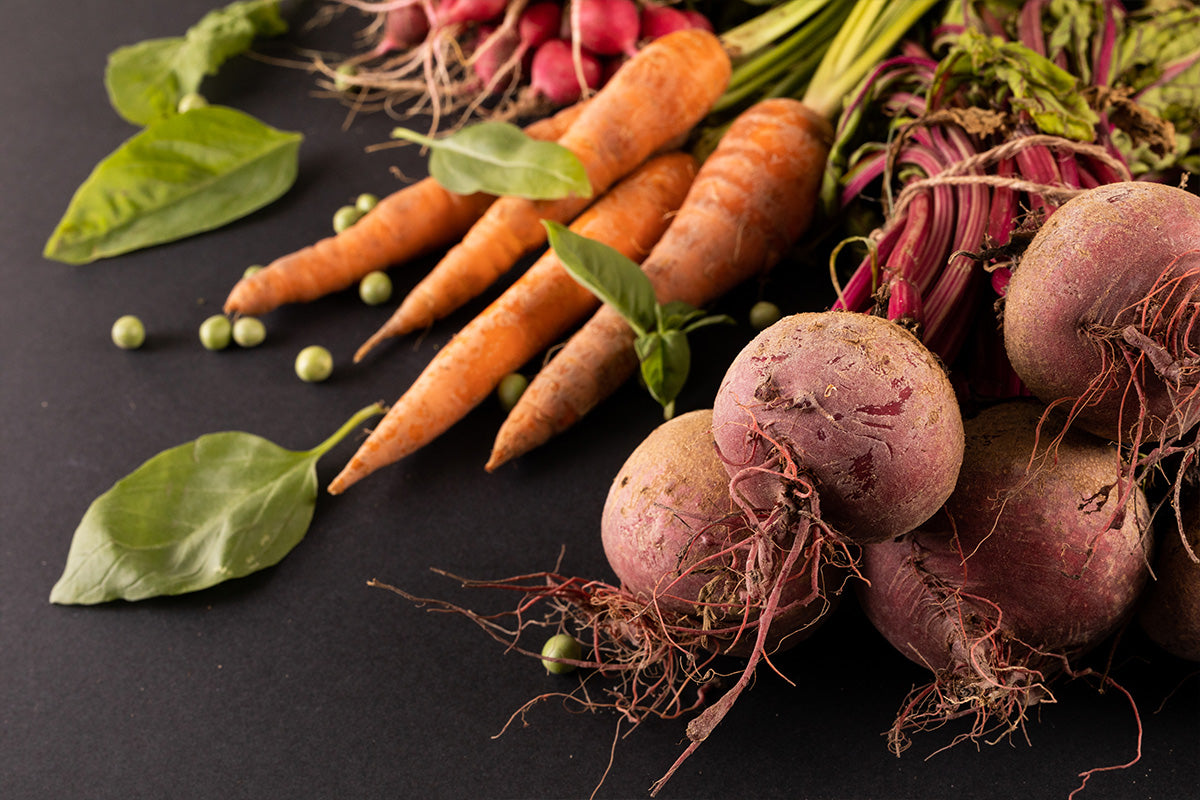
Beetroot pulp is a well-known ingredient in commercial dog foods because it's a moderately fermentable fibre. That means it does double duty, helping to firm loose stools and feed beneficial gut bacteria. It's worth noting that fresh or cooked beetroot may turn your dog's poo a striking shade of purple or red. That's completely normal; it’s just the natural pigment doing its thing.
2. Pumpkin
Pumpkin is a vet favourite. It contains both soluble and insoluble fibre, making it particularly useful for dogs who swing between loose and firm stools. Cooked or pureed pumpkin can be spooned over your dog's regular food, or smeared on a lick mat for a boredom-busting snack.
3. Apples
Apple slices are a crunchy, fibre-rich snack that many dogs enjoy. They're also low in calories, which means you don’t have to worry about overfeeding. Always remove the core and seeds before sharing. Apple seeds contain small amounts of cyanogenic compounds that are best avoided. A few slices at a time is plenty.
4. Carrots
Carrots offer fibre alongside vitamins A, K, and B6, and can be fed raw or lightly steamed. Raw carrots also give dogs something satisfying to crunch on, which is handy for keeping them occupied and supporting dental hygiene. For smaller dogs, lightly steaming makes them easier to digest and reduces the risk of choking.
5. Green Vegetables
Spinach, kale, green beans, and broccoli are all solid sources of fibre. Stick to fresh or frozen rather than canned (which often contains added salt), and feed in moderation. Large amounts of cruciferous veg like broccoli and kale can cause gas and bloating in some dogs. A small handful as a food topper works well, and pairs nicely with dog taste boosters for dogs who need a little extra encouragement at the bowl.
6. Brown Rice
Brown rice appears in many commercial high-fibre dog foods because it's a gentle, digestible source of both fibre and energy. It's particularly useful for dogs with sensitive stomachs. That said, it does add carbohydrates and calories, so keep portions proportionate to your dog's size and activity level.
7. Berries (Strawberries and Blueberries)
Strawberries and blueberries are a sweet, antioxidant-rich fibre source that most dogs find pretty irresistible. Research has found that fibre plays a role in binding antioxidant polyphenols in fruits, helping deliver those compounds safely to the colon. Just be sure to keep portions small, as berries are naturally high in sugar and are best used as an occasional treat rather than a daily addition.
What if Whole Foods Aren't Working For Your Dog?
Not every dog will happily eat vegetables. If yours is a picky eater, getting enough fibre through food alone can be tricky. That's where a purpose-formulated supplement comes in. Our DOG Fibre supplement is organic, vet-approved, and contains prebiotics, postbiotics, and paraprobiotics to support gut health alongside the fibre itself. It can help firm loose stools or soften firm ones, and it's palatable enough that most dogs won't even notice it mixed into their meal.
For more ways to support your dog's health from the inside out, explore our full range of dog supplements and dog care products.
Always introduce new foods gradually and in small amounts. Ensure they always have free access to water. If your dog has an existing health condition or is on medication, check with your vet before making dietary changes.





 1 Min Read