Grooming | 1 Min Read

How to fix doggy dandruff

Doggy dandruff is basically dry skin presenting with small flecks of skin throughout the coat. It’s very common and rarely anything to worry about. Here’s what you need to know.

Causes

  • A dog’s environment is often the reason for dry skin and you may even notice your own skin drying up as we move into the colder months due to the drop in humidity resulting in a lack of moisture in the skin. We also tend to pump the heating in winter which further dries out the skin. Seasonal shedding can also impact your dog’s skin and coat which can be significantly helped with regular brushing.  
  • Diet is a common contributor to dry skin. Without essential fatty acids (EFAs) such as omega-3 and omega-6, your dog’s skin and coat may begin to suffer. Dogs cannot synthesise these nutrients naturally, so they must be a part of their diet. In addition to EFAs, quality protein is essential; their protein intake is important to help grow and develop healthy skin and hair. 
  • In some cases, dry skin can be a sign of underlying skin problems or systemic disease, so it’s important to have a checkup with your vet to rule this out.

Thankfully dry skin is easy to fix in most cases!

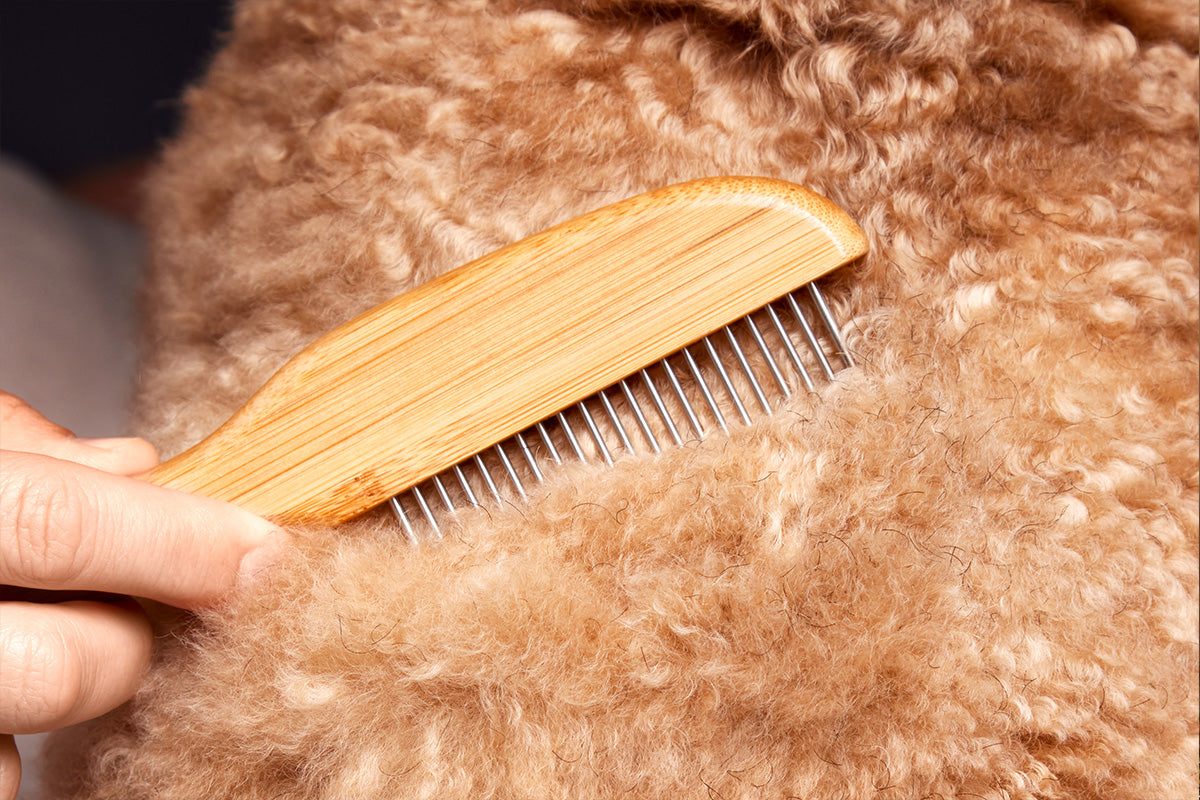
Ensure you’re using a coat appropriate brush daily, followed by a cream conditioner, such as our Leave in Conditioner. Massage the conditioner deep into the coat and skin to ensure it’s not simply sitting on the top of the coat. Finishing this routine with another brush is terrific at spreading the conditioner in and around the coat. Have a look at our Brush range to see which is best for your dog’s coat. 

DOG Slicker Brushes

Slicker brushes will work on most coat types. The short bristles will grab and remove loose hairs and debris. A daily brush will help reduce the amount of hair shed around your home. Keep in mind that frequent brushing will reduce tangles and matting. It also keeps your dog’s coat clean by removing surface debris and helping spread the natural oils produced by their skin. Brushing is a great way to bond with your dog and most of them will love how it feels. It will also help you inspect your dog’s skin for lumps, bumps, parasites or abnormalities.

ONLY $26
Large

When to visit the vet

If your dog is itching, has red skin, their coat appears patchy, or they seem unwell in any way, then visit your vet.

Manage dry skin at home with regular grooming with a quality Brush and Leave in Conditioner, maintain a comfortable ambient temperature, feed a complete and balanced diet, and use a soothing Wash sparingly only when required (ideally not more than every 4-6 weeks unless otherwise prescribed).


4 Min Read

How Cat Food Toppers Can Transform Mealtime for Fussy Eaters

You've opened four different pouches. You've tried warming the bowl. You've even attempted the casual "I don't care if you eat it" pretend-walk-away. And still, your cat sniffs their dinner and leaves the room like it personally offended them. Fussy eating is one of the most common concerns cat parents raise with vets. The good news? Cat food toppers can make a real, practical difference. Here's why it happens and how to fix it. Key Takeaways Cat fussiness is largely biological, not just behavioural Skipping meals long-term carries real health risks Food toppers work by boosting aroma, palatability, and nutrition Look for...
5 Min Read

Does My Dog Need a Hypoallergenic Shampoo?

Your dog scratches after baths, their skin looks a little red, and you're not sure if the shampoo is making things better or worse. Could your dog have sensitive skin, and would a hypoallergenic shampoo help?  Understanding what hypoallergenic dog shampoo is, whether your dog actually needs one, and what the hypoallergenic dog shampoo benefits really are can save you a lot of guesswork and wasted money (and your dog a lot of discomfort). Key Takeaways Hypoallergenic dog shampoos are formulated to minimise common irritants like synthetic fragrances, dyes, parabens, and sulphates Several signs suggest your dog may benefit from switching, including...
3 Min Read

How to Clean Your Dog's Skin and Coat: Wipes vs. Washing

That classic dog smell. We all know it. Instinct says: bath time. But before you reach for the shampoo, this dog wash guide is here to make the case for slowing down – because washing your dog less (and doing it smarter) is usually the better call. Quick Tips Dog skin pH sits between 6.2–7.4, which is more alkaline than human skin. And because it’s also significantly thinner, it needs a gentler approach. Most people don’t realise that over-washing with harsh shampoos can result in a dull, dry, stinky coat and poor skin health - a wash every 6-8 weeks...
SHOW ALL POST