Grooming | 1 Min Read

How to manage shedding

All dogs shed their coats. A dog's coat type determines how and when they shed. Here’s the long and the short (and the rough and the smooth) of it.

Single coats

As the name suggests, these dogs have just one single layer of hair or fur which may be short or long. The amount to which they shed varies across breeds. 

Best brushes

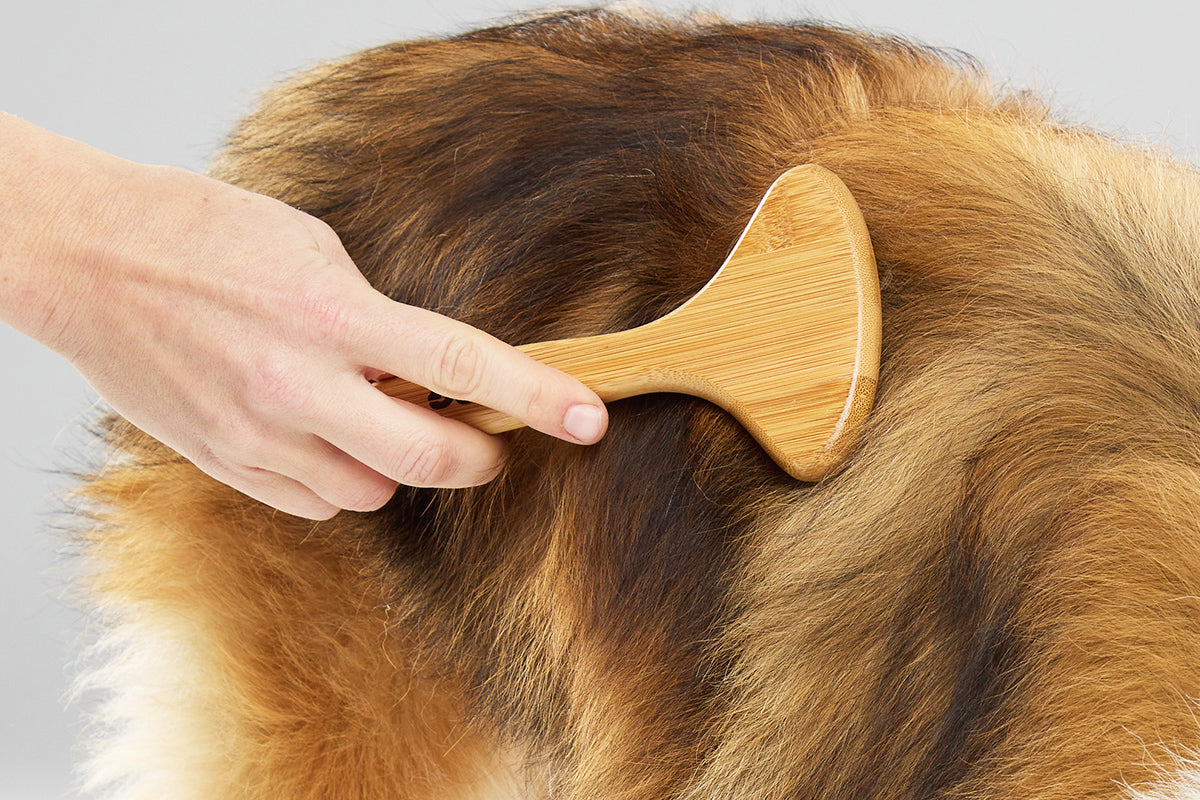
Use the Slicker Brush daily to remove loose hair and debris. Opt for the small size if your dog is a mini. For all other dogs, the small can be used on the face and legs, while the large size can be used all over the body. 

If your dog has a long, fluffy or curly coat, use the Comb to work through tangles. A small amount of Leave in Conditioner daily will help untangle stubborn knots. Using a treatment like Coat Masque will ensure their coat remains ultra moisturised, which aids with brushing and reducing knots.

Double coats

Double-coated dogs have an undercoat and an outer coat. The undercoat provides insulation while the outer coat protects against the sun and has water wicking properties. 

Most double coat breeds ‘blow’ their undercoat twice a year; meaning they shed their undercoat in response to seasonal changes. Always brush them daily, but as the weather changes, increase brushing to remove loose, dead hair. This will also allow maximum air circulation to the skin. Once the weather cools, your dog will shed the summer undercoat and grow their thick winter woolies.

DOG Slicker Brushes

Slicker brushes will work on most coat types. The short bristles will grab and remove loose hairs and debris. A daily brush will help reduce the amount of hair shed around your home. Keep in mind that frequent brushing will reduce tangles and matting. It also keeps your dog’s coat clean by removing surface debris and helping spread the natural oils produced by their skin. Brushing is a great way to bond with your dog and most of them will love how it feels. It will also help you inspect your dog’s skin for lumps, bumps, parasites or abnormalities.

ONLY $26
Large

Best brushes

Daily use of the Slicker Brush will clean debris and dirt from the outer coat. Combine your brushing with the Rake to remove loose dead hair from the undercoat. If your dog has a long coat, the Comb will help remove knots. Daily use will prevent future tangles. Using a Leave in Conditioner Spray can make brushing a lot easier.

Tip from Dr Lisa

Did you know that regular brushing will make your dog less smelly in the long run? True story. Not only does it remove dead skin cells and hair, but a good brush also removes dirt, dried saliva, food particles (if your dog is a messy eater) and debris from romps at the park. Most importantly, regular brushing spreads the natural healthy skin oils around the coat and stimulates circulation.


4 Min Read

How Cat Food Toppers Can Transform Mealtime for Fussy Eaters

You've opened four different pouches. You've tried warming the bowl. You've even attempted the casual "I don't care if you eat it" pretend-walk-away. And still, your cat sniffs their dinner and leaves the room like it personally offended them. Fussy eating is one of the most common concerns cat parents raise with vets. The good news? Cat food toppers can make a real, practical difference. Here's why it happens and how to fix it. Key Takeaways Cat fussiness is largely biological, not just behavioural Skipping meals long-term carries real health risks Food toppers work by boosting aroma, palatability, and nutrition Look for...
5 Min Read

Does My Dog Need a Hypoallergenic Shampoo?

Your dog scratches after baths, their skin looks a little red, and you're not sure if the shampoo is making things better or worse. Could your dog have sensitive skin, and would a hypoallergenic shampoo help?  Understanding what hypoallergenic dog shampoo is, whether your dog actually needs one, and what the hypoallergenic dog shampoo benefits really are can save you a lot of guesswork and wasted money (and your dog a lot of discomfort). Key Takeaways Hypoallergenic dog shampoos are formulated to minimise common irritants like synthetic fragrances, dyes, parabens, and sulphates Several signs suggest your dog may benefit from switching, including...
3 Min Read

How to Clean Your Dog's Skin and Coat: Wipes vs. Washing

That classic dog smell. We all know it. Instinct says: bath time. But before you reach for the shampoo, this dog wash guide is here to make the case for slowing down – because washing your dog less (and doing it smarter) is usually the better call. Quick Tips Dog skin pH sits between 6.2–7.4, which is more alkaline than human skin. And because it’s also significantly thinner, it needs a gentler approach. Most people don’t realise that over-washing with harsh shampoos can result in a dull, dry, stinky coat and poor skin health - a wash every 6-8 weeks...
SHOW ALL POST