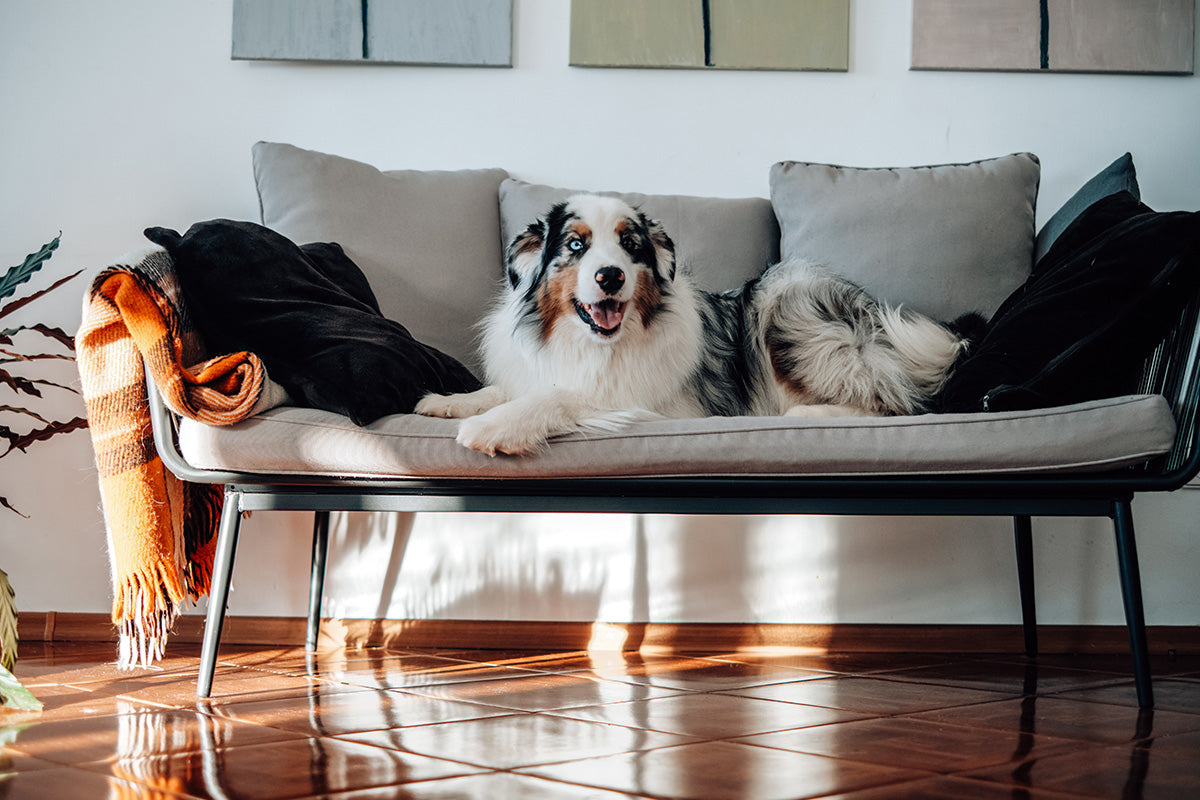
Long coat and double coat breeds increase hair growth in preparation for cooler months with many owners thinking they can simply let these coats grow wild. But with this additional coat length and thickness comes extra winter grooming.
Double coat breeds such as Huskies, Labradors Retrievers, Aussie Shepherds, Border Collies (just to name a few) have a thick undercoat which helps regulate their temperature keeping them warm in winter and cool in summer. Naturally this undercoat changes depending on the season.
Now that we’re in winter, their undercoat will be at its thickest and needs daily brushing to remove dead hair and skin. These breeds can become matted if not given a daily brush. The buildup of dead hair and moisture can increase the risk of skin infections, while losing the ability to regulate their body temperature.
Your dog's coat might look cosy and full right now, but underneath all that fluff, some important stuff is happening.
As the days shorten heading into winter, your dog's body senses the change in light. This triggers a rise in melatonin production, which signals the hair follicles to extend their growth phase and build out a thicker, warmer coat. It's a beautifully clever system, but it means more coat to manage, more dead hair to clear, and more potential for problems if grooming slips down the priority list.
Quick Tips
- Winter coats need more grooming, not less, especially for double-coat breeds
- Dead hair and moisture trapped in a neglected coat can lead to matting and skin infections
- Bathing every 4–6 weeks is usually plenty; over-washing with harsh shampoos can strip the skin's natural oils
- A leave-in conditioner between washes helps keep the coat healthy and manageable
- Single-coat breeds may need a winter jacket. Don't skip the brush, though
Double-Coat Breeds: The Ones Who Need it Most
Breeds like Labradors, Huskies, Border Collies, Aussie Shepherds, and Golden Retrievers have a soft, dense undercoat that acts as natural insulation. In winter, that undercoat is at its thickest. And while it's doing a great job keeping your dog warm, it's also a haven for trapped dead hair, moisture, and debris.
Without daily brushing, that undercoat can mat up quickly. Mats trap moisture close to the skin, which creates the perfect conditions for skin infections and hot spots. On top of that, a heavily matted coat can actually reduce your dog's ability to regulate their body temperature, which defeats the whole point.
A daily brush with a slicker brush and undercoat rake or comb will remove dead hair before it builds up. Adding a small amount of leave-in conditioner spray for dogs to the routine helps protect the skin and keep the coat soft and tangle-free.
Regular brushing also gives you the chance to check for lumps, bumps, parasites, or skin changes that might otherwise go unnoticed under all that fur.
What About Single-Coat Breeds?
Dogs like Vizslas, Greyhounds, and Staffies don't bulk up much for winter, which means they feel the cold more and may need a jacket on chilly days. But that doesn't mean grooming takes a back seat.
Brushing every couple of days with a slicker brush is still important. It spreads the skin's natural oils through the coat, removes dirt and dead hair, and keeps their skin in good shape. Keep an eye on their behaviour too. Shivering, reluctance to go outside, or curling up tightly are all signs they might need an extra layer and warmer bedding.
Winter Washing: Less is More
Winter isn't the time to start bathing your dog more frequently. Veterinarian Dr Lisa Chimes recommends a warm water rinse for muddy dogs using an intensive skin and coat moisturiser like dog coat masque - this helps mud glide off the coat. Only wash them if a wipe or rinse isn’t enough - ideally no more than every 4–6 weeks, using a gentle, pH-balanced dog shampoo. Over-washing with harsh shampoos strips the skin's natural oils, which can lead to dryness, flaking, and a dull coat.
Dogs that visit the groomer for routine haircuts should ideally not be washed in between - regular brushing and use of a Leave in Conditioner will result in less knots for your groomer to tackle.
Between washes, our dog wipes are great for spot-cleaning muddy paws and freshening up without disturbing the skin barrier.
If You've Let the Coat Grow Out
Letting your dog's coat grow longer for extra winter warmth is absolutely fine, just be consistent about upkeep. Daily combing and brushing are essential to prevent knots from forming, and a leave-in dog conditioner spray makes the job much easier. Keep up regular professional grooming appointments (every 6 weeks or so) to maintain the length and condition.
If your fluffy dog has been clipped short recently, treat them like a single-coat breed: jacket when it's cold, extra blankets at night, and regular brushing to keep their skin and coat healthy.
Winter Grooming 101
- Daily: Use a dog brush, such as a slicker brush and rake (double-coat breeds)
- As needed: Leave-in conditioner spray to manage tangles and support skin health
- Between washes: Wipe or a warm water rinse with an intensive moisturiser like Coat Masque. Only when you can’t clean them with a wipe or rinse, give them a wash - ideally no more than every 4–6 weeks: use gentle, vet-approved dog wash products
- Every 6-8 weeks: Professional grooming appointment to maintain coat length and condition depending on the coat type
Winter is a wonderful time to build a grooming routine with your dog. The brushing sessions are great for bonding, and keeping on top of their coat now means you'll be far better prepared for that epic spring shed that's coming, whether you like it or not.





 1 Min Read