



Our core products for when they need it

Free shipping for Australian orders over $99
Free shipping for AU orders over $99

Please select your store

We will include your personalised message on an elegant gift card and your order will be wrapped in a beautiful gift box.
 1 Min Read
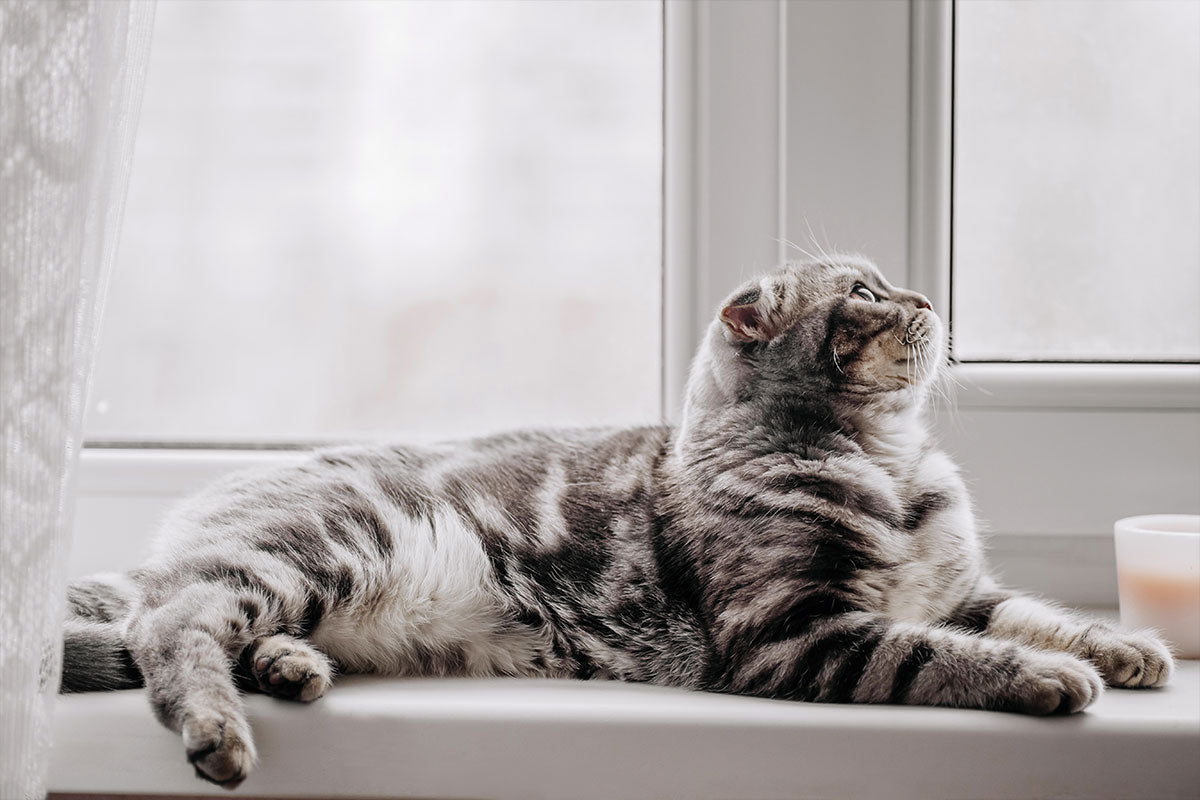
Check out some of these indoor cat FAQs with answers that will have you feline fine about becoming a (better) cat parent.
Yes, it is absolutely fine to keep your cat indoors. In fact, it's generally recommended that pet cats spend the majority of their time inside! It's not like you're raising Simba here. Our pet cats are domesticated, not wild animals that should be given free reign to roam the streets and gardens as they please.
There are many benefits to having an indoor cat, many of which revolve around safety. Keeping your cat indoors keeps them away from the dangers of traffic, trauma, predators, fights with other cats, toxic substances and disease lurking outside your door. Your pet is also less likely to get lost or stolen if they live the high life inside. On the other hand, cats that roam outside also injure or kill wildlife, which is a not-so-nice activity.
Indoor cats need plenty of mental and physical stimulation. Giving them toys, scratching posts, climbing structures and hiding places to explore and paw at can help keep them entertained and active. There are even videos specifically for cats that can keep their eyes and ears enriched – no sweating the screen time here.
Just like outdoor pets, indoor cats need to maintain a healthy diet and get enough exercise to prevent obesity. Playtime and interactive toys can help keep them on the move.
But it's not just excessive weight gain you need to worry about. Even though your home is warm, loving and clean, there's still plenty of other common health issues in indoor cats, such as dental disease and urinary tract problems. That makes regular vet checkups essential regardless of where your cat spends their time.
The good news is that having your cat inside gives you a great vantage point from which to spot any issues they might be having. Eating, drinking and toilet problems can all show up gradually through subtle changes in your cat's day-to-day life. By never being too far away, you might have a better shot of detecting these problems early on.
Indoor cats may develop behavioural issues such as scratching furniture, increased aggression due to boredom/lack of socialisation, as well as stinky habits like inappropriate urination. Providing environmental enrichment and playtime can help prevent these issues.
A cat pheromone diffuser or spray can help reduce stress in some indoor cats. When used as directed, these products are generally safe and easy to use.
Once you establish where their litter box is going to be, your cat should get pretty used to using it pretty quickly. Scoop it out daily to keep it clean and hygienic for your cats (and less smelly for your humans). And try to keep it in a quiet place, especially if you're trying to build a happy home for both dogs and cats. Indoor cats should ideally have two litter trays in different locations. So if you have more than one cat, be prepared for multiple trays!
Some indoor cats may benefit from supervised outdoor time, so feel free to give this a try if you think it could do your cat some good. If possible, let your cat roam in a secure outdoor enclosure. Just remember the legendary leaping abilities of our feline friends! You could even try leash training your cat, although be prepared that most adult cats will not be impressed if you are introducing this later in life.

Can’t find an answer on our blog? Click here to ask Dr Lisa.