



Your On-The-Go Essentials, now 15% off! The Belt Bag is designed to keep your hands free and keep you looking stylish; pop in some Poo Bags and you're on your way.

Free shipping for Australian orders over $99
Free shipping for AU orders over $99

Please select your store

We will include your personalised message on an elegant gift card and your order will be wrapped in a beautiful gift box.
 1 Min Read
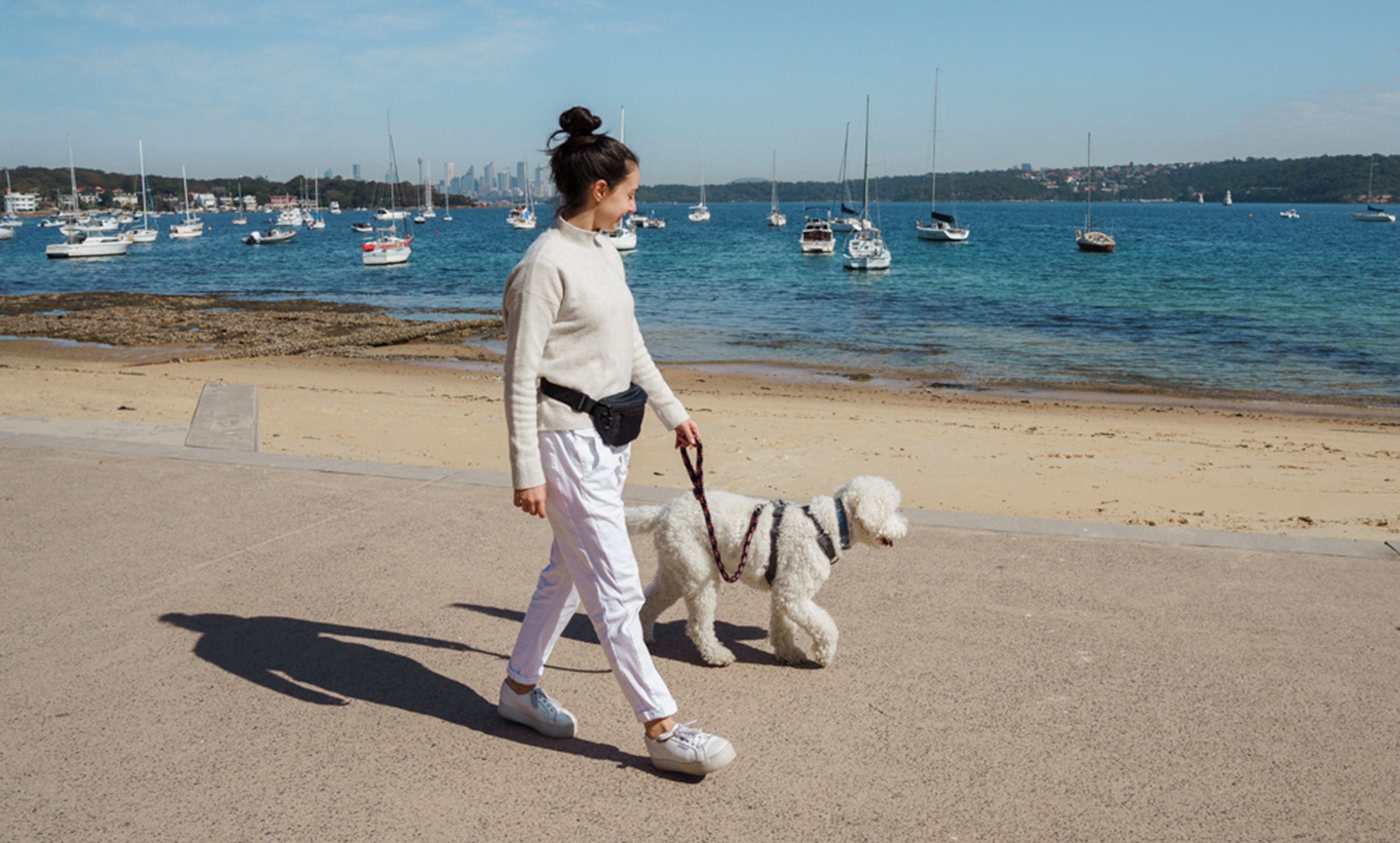
Have you noticed that your dog will intently sniff a certain spot for what feels like forever? Sure it’s not so fun for us but there’s a good reason for it. The odour concentration of a scent molecule builds up over multiple sniffs, so don’t drag them away after a quick sniff. Let them take it all in! All those smells need to be processed somewhere, so their incredible brains work overtime. You’ll be surprised how exhausted they are after a Sniffari.
Behaving naturally and making active choices are two key factors in maintaining your dog’s mental health. Meaning, letting your dog be a dog (through sniffing) can calm and relax them, improving their mental health. Sniffari’s may even result in less destructive behaviour at home.
A dog’s nose can get them into trouble, especially if they’re strong foragers. Keep a close eye on your dog to ensure they’re not eating anything nasty or dangerous as they explore.
Most local councils require dogs to be on-leash when not in the dog park. This is not only for your dog’s safety, but that of other dogs too.
Always use treats when walking to keep their attention on you. Whenever you need to distract them, call their name and reward them for focusing their attention on you. Then ask them to sit and reward. Our Belt Bag is an excellent tool for this.
If your dog pulls on the lead, invest in a specifically designed walking harness that reduces pulling.
Your dog stops dead on the footpath. Nose down, completely absorbed, going absolutely nowhere. Every instinct tells you to keep moving. But what's actually happening in that moment is far more interesting than it looks.
That sniff isn't a distraction. For your dog, it's the whole point.
Dogs don't experience the world the way we do. For us, sight leads. For them, it smells.
Research has found that a dog's olfactory bulb is approximately 30 times larger than a human's, and their olfactory epithelium contains between 200 million and 1 billion olfactory receptors, depending on breed, compared to around 5 million in humans.
When your dog sniffs a single spot for what feels like forever, they're pulling in layers of information: who's been there, when, what they've eaten, and whether they're a regular. Odour concentration builds up over multiple sniffs. Pulling them away after a quick inhale means they never get to finish the sentence.
Scent information travels through a broad network in the dog brain, including regions linked to memory, emotion, and decision-making. When your dog is happily investigating a patch of grass, their nervous system is literally shifting gears.
Sniffing engages the parasympathetic nervous system, the "rest and digest" branch that brings heart rate down and reduces stress arousal. It's the neurological opposite of a high-alert state.
There's also a dopamine connection. The seeking and foraging involved in sniffing trigger the brain's reward circuitry. That satisfied, calm dog you bring home after a slow sniff walk? That's a sign their brain has been working.
In 2019, researchers Charlotte Duranton and Alexandra Horowitz published a study finding that dogs who engaged in regular nosework activities showed significantly more optimistic behaviour than dogs who did heelwork instead.
Two things made the difference: the opportunity to use their nose freely, and the ability to make their own choices about where to sniff and for how long.
You don't need to rethink your whole routine. Sniff walks aren't a replacement for physical exercise; they're a different kind of fuel. Think of regular walks as cardio, and Sniffaris as the mental workout.
A few things that help:
Honestly? Most of them.
Sniff walks tend to make a particularly noticeable difference for dogs who seem restless or anxious at home despite getting regular exercise, high-energy breeds who are physically tired but still mentally wired, older dogs who can't manage big distances but still need engagement, and dogs with reactive tendencies. Sniffing can help reset their nervous system after a stressful encounter on the lead.
The research suggests that giving dogs the chance to behave naturally is important for mental health, not just a nice-to-have.
So next time your dog plants their nose in the footpath and refuses to budge, let them linger. They're not being difficult. They're just reading.
For everything your dog needs between walks, explore our dog care products.

Can’t find an answer on our blog? Click here to ask Dr Lisa.