Lifestyle | 1 Min Read

What are sensory gardens? And does your dog need one?

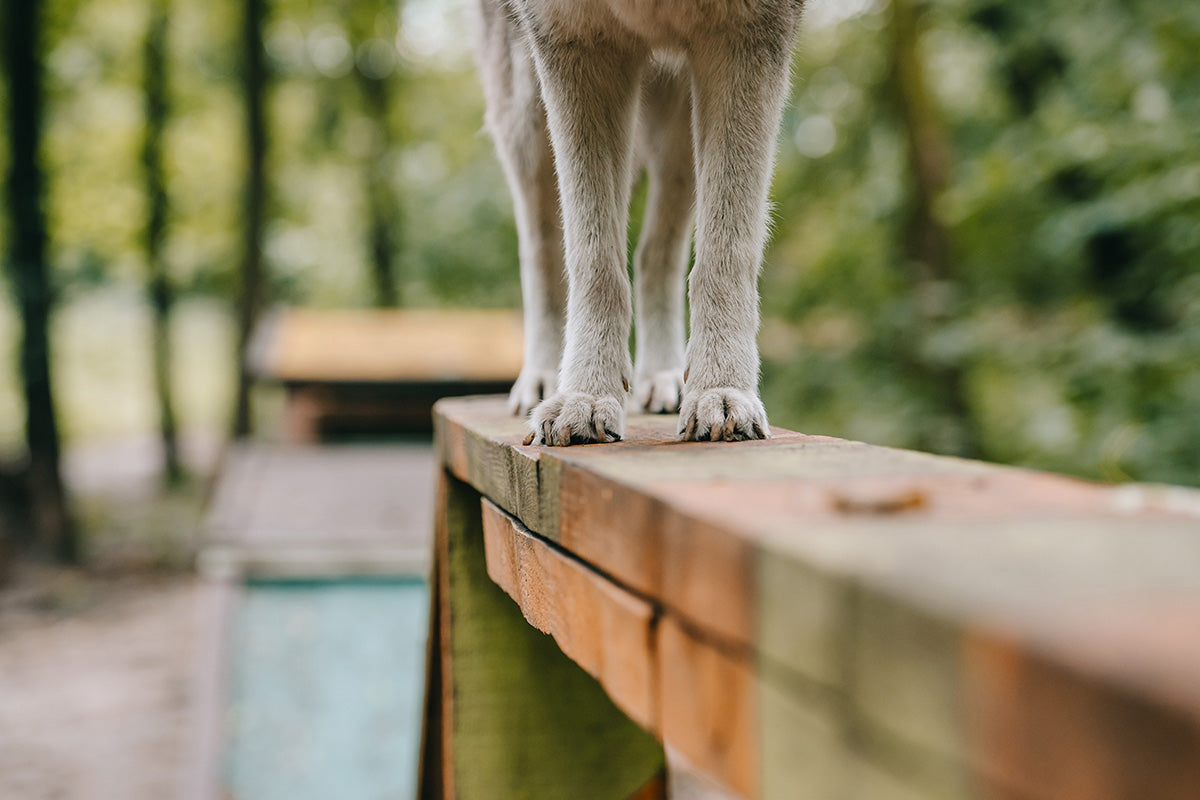
Sensory Gardens are what they say on the label: a garden full of sensory enjoyment. Increasingly used in schools for children with Autism or aged care facilities, evidence has demonstrated how specially curated gardens can be magnificent for your pooch to satisfy their senses.

Sensory Gardens are what they say on the label: a garden full of sensory enjoyment. Increasingly used in schools for children with Autism or aged care facilities, evidence has demonstrated how specially curated gardens can be magnificent for your pooch to satisfy their senses. 

Sensory Gardens stimulate your dog’s 5 senses (smell, sight, sound, taste and touch) and provide mental enrichment. Just like us, dog’s need experiences that heighten these senses, so creating their very own sanctuary is a wonderful way to do this.
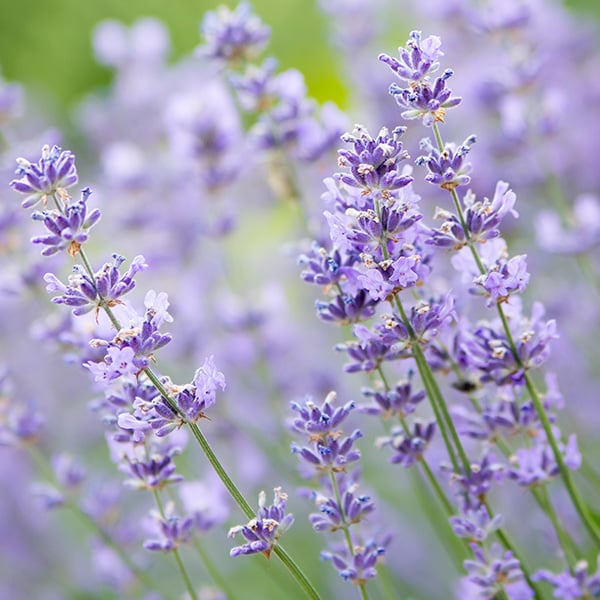
Smell

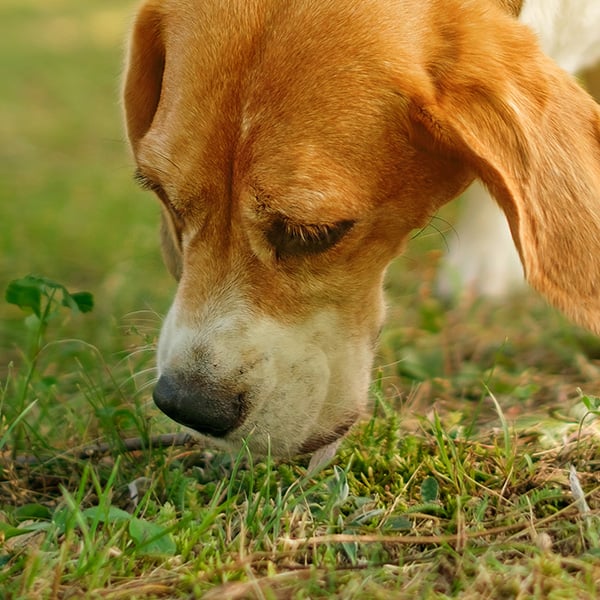
Planting dog-friendly plants such as lavender, mint or catnip. Dogs will self-select plants that they are drawn to. You can also scatter a small handful of treats around.
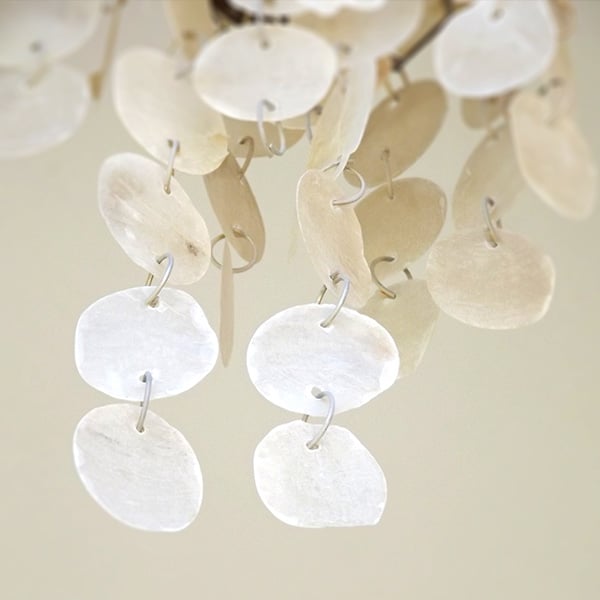

Sound

Hanging wind chimes or installing a fountain. reggae music are all top favourites for canines, according to research!


Touch

Use different textured flooring or grasses. Install a sand pit for dogs who love to dig or a doggie pool for dogs that love water. Running tunnels, patio stones and ornamental grass are other options.
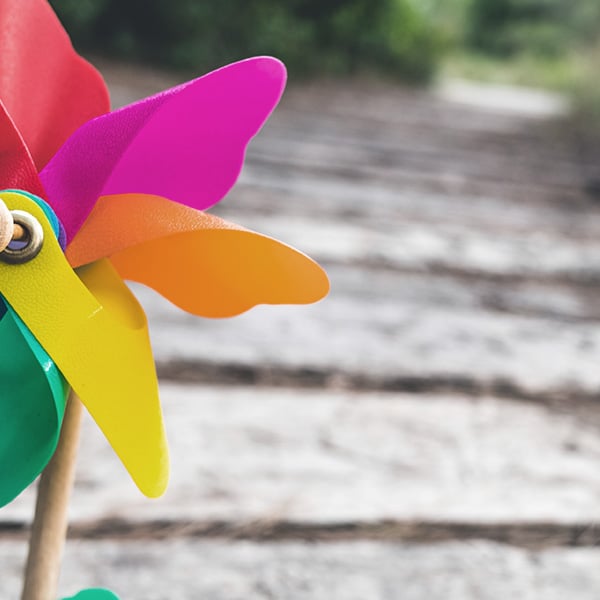

Sight

You can add wind spinners, logs or yard decorations for your dog.Creating different levels is also a good way to stimulate their sight.

Taste

Try scattering small amounts of their favourite treats so that they can go on a tasty treasure hunt. Crumble works especially well for this!


You don’t need a giant backyard

 While we would all love an acreage to create the ultimate Sensory Garden, most of us don’t have that luxury. So if you’re short on space that’s okay - there’s still plenty you can do. What’s most important is knowing your dog’s individual preferences. Do they love to sniff? Scatter treats around the garden. A dog who loves to dig will adore their own sandpit. Or a dog who loves nothing more than a quick dip will thoroughly enjoy a kiddie pool. A dog who loves to layabout in the sun will love a cosy outdoor bed. Scatter treats? Crafting a garden around your dog’s favourite things will be equally enjoyed.


DOG Crumble

Whether you’re teaching them to sit, pose for ‘likes’ or stop peeing on the rug, dogs learn best when you reward good behaviour. But giving them too many treats can lead to weight issues. That’s why we made this Crumble. With delicious plant-based ingredients, it’s designed so that small portions can be used as big rewards. And this stylish tin means you can proudly leave it on display for quick access.

ONLY $35
360g tin
360g refill
4 Min Read

How Cat Food Toppers Can Transform Mealtime for Fussy Eaters

You've opened four different pouches. You've tried warming the bowl. You've even attempted the casual "I don't care if you eat it" pretend-walk-away. And still, your cat sniffs their dinner and leaves the room like it personally offended them. Fussy eating is one of the most common concerns cat parents raise with vets. The good news? Cat food toppers can make a real, practical difference. Here's why it happens and how to fix it. Key Takeaways Cat fussiness is largely biological, not just behavioural Skipping meals long-term carries real health risks Food toppers work by boosting aroma, palatability, and nutrition Look for...
5 Min Read

Does My Dog Need a Hypoallergenic Shampoo?

Your dog scratches after baths, their skin looks a little red, and you're not sure if the shampoo is making things better or worse. Could your dog have sensitive skin, and would a hypoallergenic shampoo help?  Understanding what hypoallergenic dog shampoo is, whether your dog actually needs one, and what the hypoallergenic dog shampoo benefits really are can save you a lot of guesswork and wasted money (and your dog a lot of discomfort). Key Takeaways Hypoallergenic dog shampoos are formulated to minimise common irritants like synthetic fragrances, dyes, parabens, and sulphates Several signs suggest your dog may benefit from switching, including...
3 Min Read

How to Clean Your Dog's Skin and Coat: Wipes vs. Washing

That classic dog smell. We all know it. Instinct says: bath time. But before you reach for the shampoo, this dog wash guide is here to make the case for slowing down – because washing your dog less (and doing it smarter) is usually the better call. Quick Tips Dog skin pH sits between 6.2–7.4, which is more alkaline than human skin. And because it’s also significantly thinner, it needs a gentler approach. Most people don’t realise that over-washing with harsh shampoos can result in a dull, dry, stinky coat and poor skin health - a wash every 6-8 weeks...
SHOW ALL POST