Lifestyle | 1 Min Read

The science behind zoomies

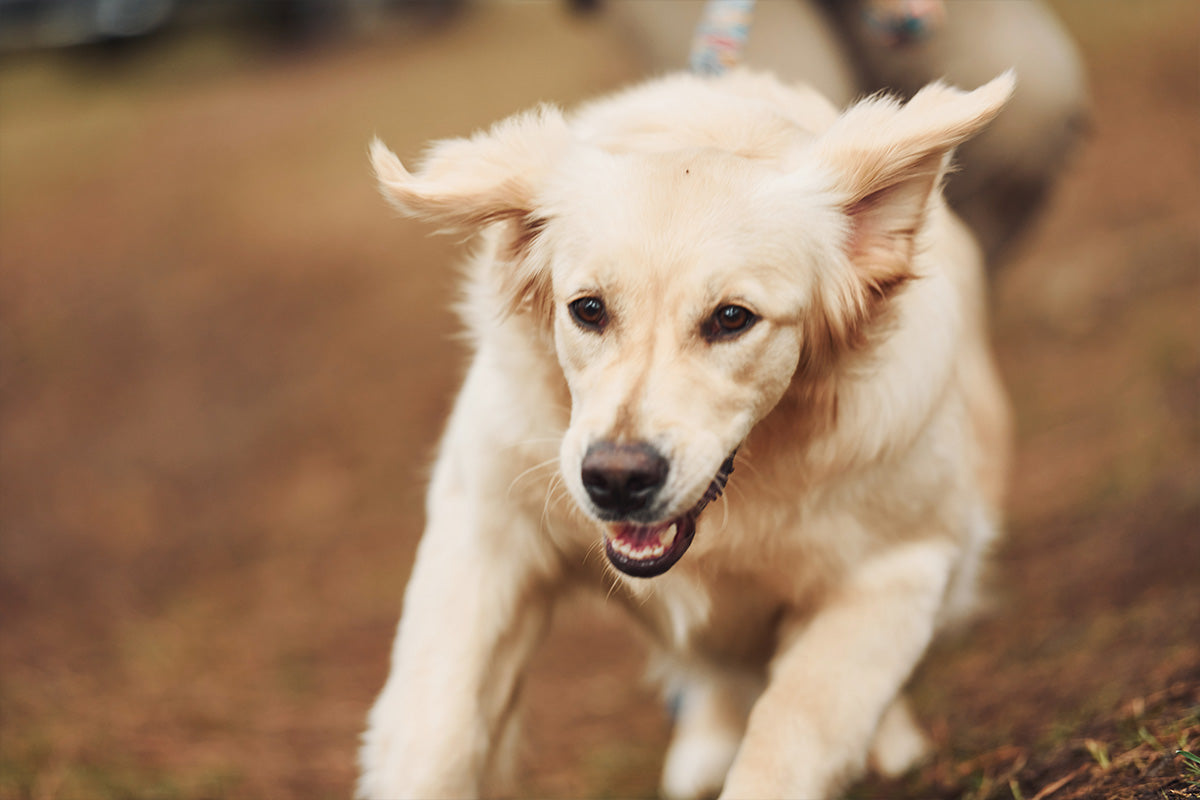
There’s nothing quite like admiring the sheer spectacle of a dog doing the Zoomies. But have you ever wondered why dogs do this? And whether there’s any purpose?

Zoomies are typically described as a sudden burst of energy, accompanied by crazy eyes, totally sporadic and random pattern of movement, lollygagging tongue and general lunacy that makes you chuckle. The fancy scientific name for this is Frenetic Random Activity Periods, or FRAPs.

So why do dogs do this? The short answer: they’re happy! 

There’s a few more theorised reasons as to why a burst of zoomies, or FRAPs happen, such as releasing stored up energy and allowing them to express their excitement with play. 

You may have noticed that your dog has a trigger for their zoomies. For some it’s when they’re revved up, being off lead after a period of inactivity, when they see another dog/favourite person. Anecdotally speaking, it seems very common for a dog to go frapping after doing a poop or getting wet. 

While most dog’s get a case of the zoomies every now and then, it’s more common in younger pups although it can still happen with seniors! Generally speaking, age, breed and personality are big factors in your dog’s zoomie intensity. 

Thankfully, Zoomies are totally normal. What/s important is making sure they aren’t zooming about in an area that’s unsafe (such as a road or near dangerous objects). They typically last only a few minutes so just sit back and watch the show as it’s an important expression of their happiness and excitement. Should you need to redirect them, you can simply encourage them to a safer area, such as outside. 


Dog Walk Set - Olive

You’ll look good with our Belt Bag, your dog will smell good with our Cologne, you can clean their paws and butt with our Wipes, and their poop stench will be disguised with our gloriously scented Poo Bags. Dog walking has never been more luxurious.

ONLY $139
Calm / Khaki
Spring / Khaki

If your dog has joint issues, you may want to limit access to stairs and couches so they don't attempt a jump that may end up causing injury. Be wary of slippery surfaces, such as wet tiles, which can be hazardous. 

If you’re noticing this behaviour frequently it may be a sign that they’re not getting enough exercise throughout the day. Consider increasing your walks where possible or engaging in mentally stimulating games/training to provide them with some brain challenges and enrichment.


5 Min Read

How Often Should You Wash Your Dog? Choosing the Right Shampoo

If you've ever found yourself wondering "how often should I wash my dog?" while your muddy Labrador tries to jump on the couch, you're asking the right question at probably the wrong moment. Ideally, dogs shouldn’t be washed more than every 6-8 weeks. However, it can depend on your dog, their coat and their habits. A mud-obsessed retriever might need more frequent baths than an indoor Maltese. Coat type, lifestyle, and skin sensitivity all play a role. Key Tips Most dogs do well with a bath every 6-8 weeks.  Too often strips natural oils and causes dry, itchy skin.  Not...
5 Min Read

Why Dog Conditioner is a Must for a Shiny, Healthy Coat

Does your dog's coat look dull and feel rough? The problem might not be their fur – it's their skin. Many Aussie dog owners skip conditioner, thinking shampoo is enough. But here's what they're missing: healthy skin is the foundation of a healthy coat, and just like you wouldn't skip moisturiser after washing your face, your dog's skin needs that same protective layer. Key Insights Dog conditioner works like a moisturiser, protecting the skin barrier after bathing It protects against dryness, irritation, and environmental damage to the skin Leave in conditioners provide ongoing protection between baths Coat masks deliver deep...
3 Min Read

Top 3 Dog Supplements for Joints, Skin, and Overall Vitality

You've noticed it. The slower mornings. The dull coat that used to shine. Those creaky joints on the stairs. Before you start Googling "do dog supplements work" at 2am (we've all been there), let's talk about what actually helps. Supplements aren't magic pills that'll turn your 12-year-old Labrador into a puppy again. But the right ones, given properly, can make a real difference to quality of life. The wrong ones just waste your money and potentially irritate their stomach. Do Dog Supplements Work? The Honest Answer This is the question everyone asks before adding anything new to their dog's routine,...
SHOW ALL POST